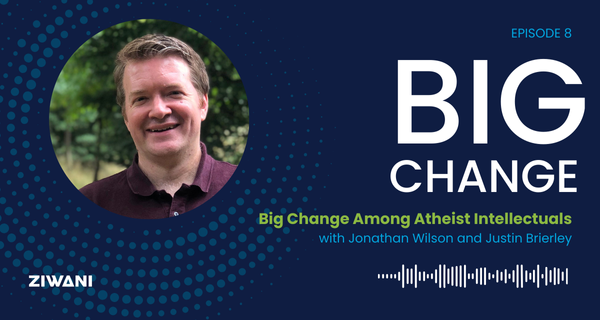
Acclaimed podcaster and author Justin Brierley joins Jonathan Wilson in Episode 8 to explore why so many prominent atheists are rejecting secular materialism, and re-evaluating the merits of the Christian faith. They discuss how many of these secular elites are reassessing the perceived triumph of science over religion, as well as the fallacy that Western values such as human rights stem from the Greco-Roman world. For those seeking to live a meaningful life, Christianity is once again emerging as a compelling intellectual option.
Episode 3 of the Big Change podcast series recalls the incredible stories of Christians who greatly contributed to South Africa’s transition into a free democracy. In this thought-provoking new podcast series, host Jonathan Wilson and senior pastor Simon Lerefolo share how these largely forgotten, behind-the-scenes heroes made “The Downfall of Apartheid and the Healing of a Broken Nation” possible, in a desperate time of violence and mistrust.
In Episode 2 of the Big Change series, host Jonathan Wilson shares the radical transformation journey of the remote Yali tribe where he grew up. Joined by senior pastor Simon Lerefolo, they assert that the only way to true reconciliation among those constantly at war is through the “Good News Of Liberation From Darkness”. A gripping story of selflessness, courage and freedom.
Ziwani’s podcast series “Big Change: How Ordinary Christians Change Their World” explores how Christians can drive significant change in society. In Episode 1, host Jonathan Wilson and entrepreneur Paul Kim introduce the four dimensions of reconciliation as a framework for solving complex and systemic challenges. Join them for a compelling introduction to the series, and learn how your faith can shape a better world.
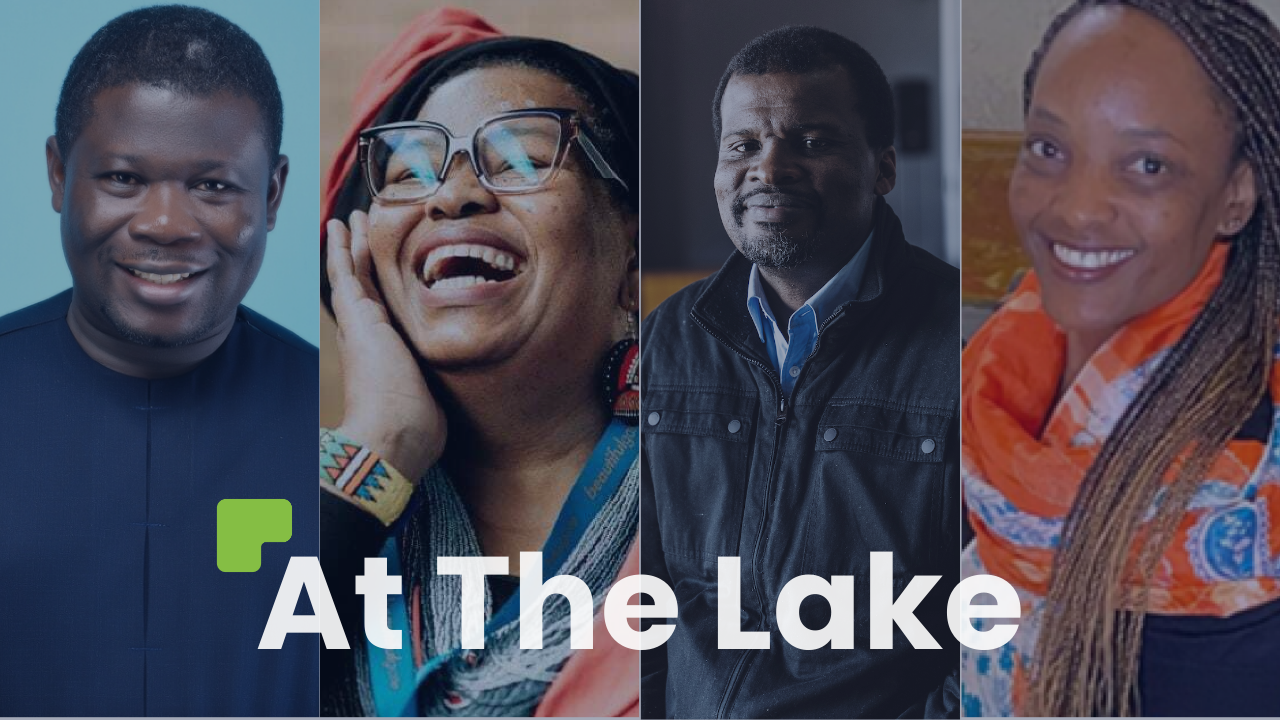
Tune in to the virtual "At the Lake: The Integrity Advantage" conversation featuring Minah Koela, Christian Tetteh Abase, Catherine Katala, and Nissi Ekpott. They have an authentic and candid discussion, exploring "The Integrity Advantage: Transforming Challenges into Opportunities." Drawing from their own experiences, they reveal how they've confronted integrity dilemmas in both their personal lives and professional careers. You'll gain invaluable insights, actionable strategies, and the motivation needed to navigate similar circumstances with grace and success.
In this episode, Sibs Sibanda and Paul Kim discuss Dorothy Sayer’s third proposition, which is that the worker’s first duty is to serve the work, not the community. Her view is that whenever man is made the centre of things, trouble follows – and that is the problem with making ‘serving the community’ the purpose of work.
Please send any questions or suggestions about this podcast series to [email protected]
In this episode of Why Work?, Sibs Sibanda and Paul Kim discuss Dorothy Sayer’s second proposition, which is that when a man or woman is called to a particular job of secular work, it is as true a vocation as though he or she were called to specifically religious work.
In the previous episode of Why Work? Sibs Sibanda and Paul Kim discussed Dorothy Sayer’s first proposition that work is what we were created to do, not just something we have to do. In this episode they explore its implications for integrating work and rest, and taking pride in producing quality work.
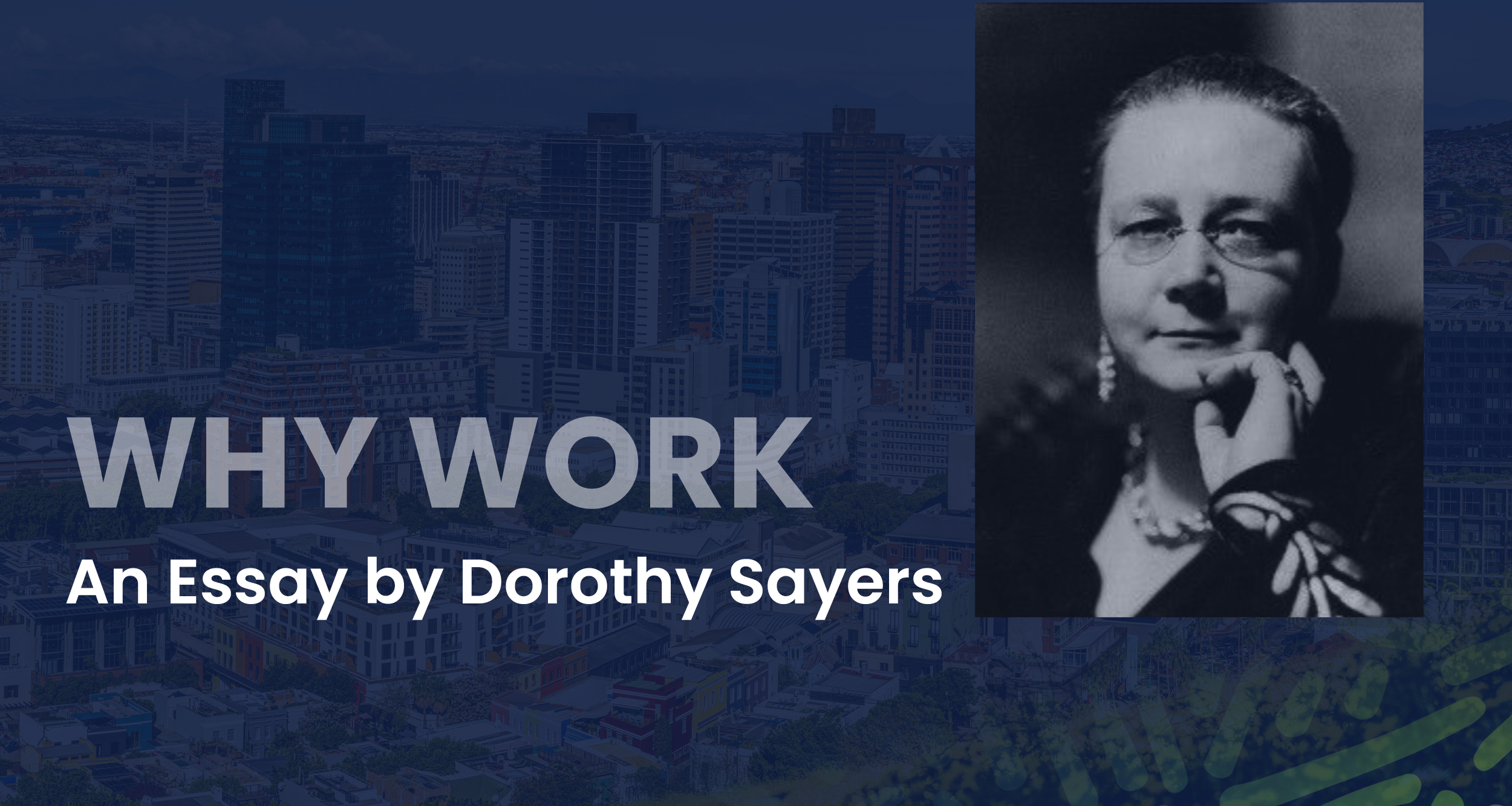
Why Work: Work and Dorothy Sayers – Paul Kim and Sibs Sibanda have reunited for this exciting new podcast series entitled Why Work? based on Dorothy Sayers’ well-known essay. In this introductory episode, they compare Sayers’ World War II context with our post-Covid reality – as two watershed moments in the history of work.
‘Why Work?’ is an influential essay by Dorothy L. Sayers outlining a robust and practical theology of work against the background of World War II, that still challenges and inspires today. This is a dictation of the essay.
Read the full essay here